


Tai Chi offers numerous benefits for older adults, promoting physical, mental, and emotional well-being
Tai Chi and Qigong are highly beneficial for elders as they promote gentle movement, balance, and relaxation without straining the body. These practices enhance mobility, improve coordination, and reduce the risk of falls by strengthening muscles and stabilizing joints. The slow, flowing motions increase flexibility while promoting deep breathing, which boosts oxygen circulation and lung capacity. Additionally, the meditative aspects of Tai Chi and Qigong help reduce stress, improve mental clarity, and support emotional well-being. By fostering physical health and inner calm, these ancient practices empower elders to maintain independence and enjoy a better quality of life.
Program for elders:
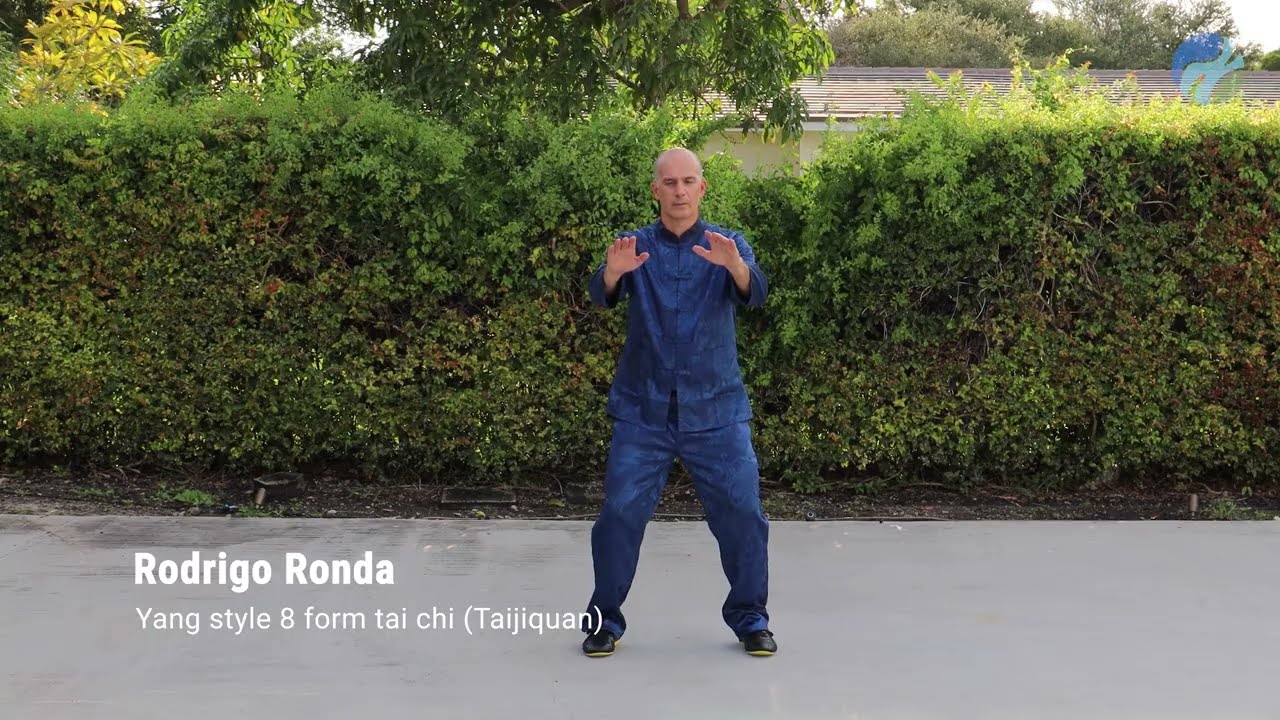
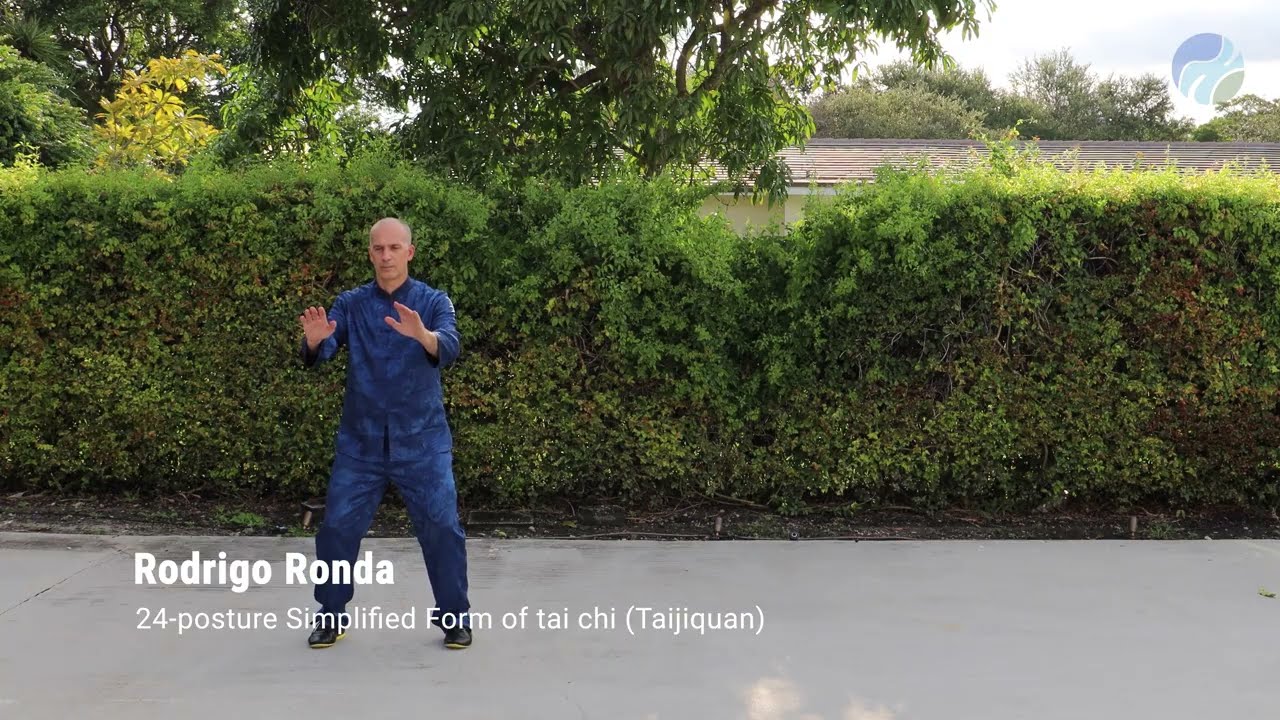
- Basic movements of Yang Taijiquan forms 8 and 24
- Lian Gong Shi Ba Fa (18 therapy)
- Ba Duan Jin (Eight Silk Brocades)
- Wu Qin Xi (Five Animal Qigong)


We focus on:
- Fall Prevention & Stability: Tai Chi improves balance, coordination, and leg strength, reducing the risk of falls.
- Joint Health & Flexibility: Slow, controlled movements help maintain joint mobility and reduce stiffness.
- Breathwork for Vitality: Deep breathing techniques enhance lung function and improve oxygen circulation, boosting energy levels.
- Cognitive Health & Mental Clarity: Mindful movement practices stimulate brain function and enhance memory and focus.
- Emotional Well-being & Social Connection: Group classes create a sense of community, reduce stress, and promote relaxation.
Principles of our program:
- Tai Chi and Qigong are not competitions. You should practice according to your level and capacity. Everyone has their limitations, so it is important to recognize and respect your body’s limitations.
- Never compare yourself with other practitioners. Everyone is different and has different abilities. Some people are good at one type of exercise, while others are good at a different type.
- Each exercise should be adapted to your own physical and mental capacity. When doing the exercise, you should not exceed the limit of your acceptable pain level. This means that on a scale of 0-10 (0 being no pain and 10 being extreme pain), the range should be from 0 to a maximum of 2. Listen to your body and don’t exercise past your pain threshold.
- There is no limited time to learn tai chi and qigong. No rush, no time frame. You must follow your own rhythm and learning curve. The practice of these disciplines is forever. There is an old story about a student who asked his master: “When can we say that we know Tai Chi?” And the master replied: “When you repeat the exercise 100 thousand times, then you begin to learn it.

Breathing – Visualization – Motion
- Breathing = You must learn diaphragmatic breathing in a natural way. You must transform this way of breathing into an automatic reflex. This learning process takes years of conscious practice.
- Visualization = You must train your mind to visualize as you breathe and move. Each exercise has its visual representation in its name or description. You must use your imagination to visualize this representation. This means focusing your thoughts on the physical movement and avoiding distractions.
- Motion = This is the mechanical principle of the exercise. Each movement and position has its characteristics and reason, so the goal is not to imitate the movement automatically but to get the sense of the movement.
Connect with us.
We invite you to embark on a journey of serenity and vitality with Serene Motion.